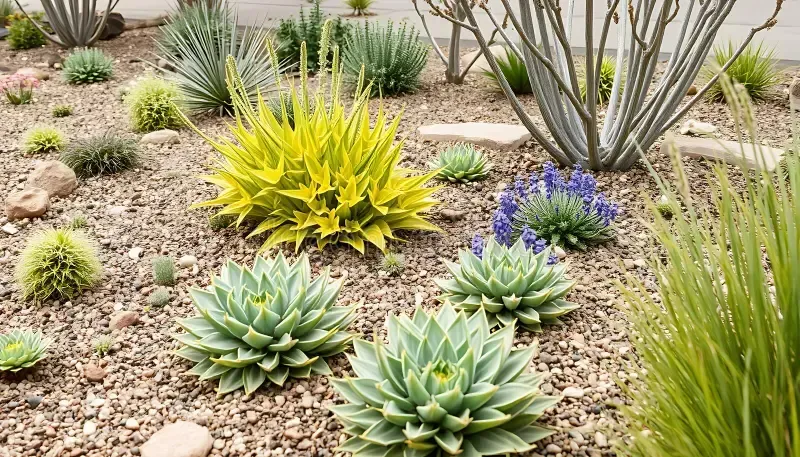
Southern California's native plant communities are some of the most distinctive in the country, shaped by our coastal sage scrub and chaparral ecosystems. We draw heavily from this native plants list when designing xeric gardens, incorporating flowering perennials like California poppy and native sage species, ornamental and native grasses such as deer grass and purple needlegrass, and structural shrubs like manzanita and California buckwheat that provide year round form even when not in bloom. Seasonal wildflowers add bursts of color in spring, while evergreen shrubs and grasses keep the garden visually interesting through the drier months. Every plant selection is grounded in real plant identification expertise, so the result reflects an actual ecosystem rather than a random assortment of drought tolerant species.
Xeric Garden & Native Plant Installations in Los Angeles
What Xeric Actually Means
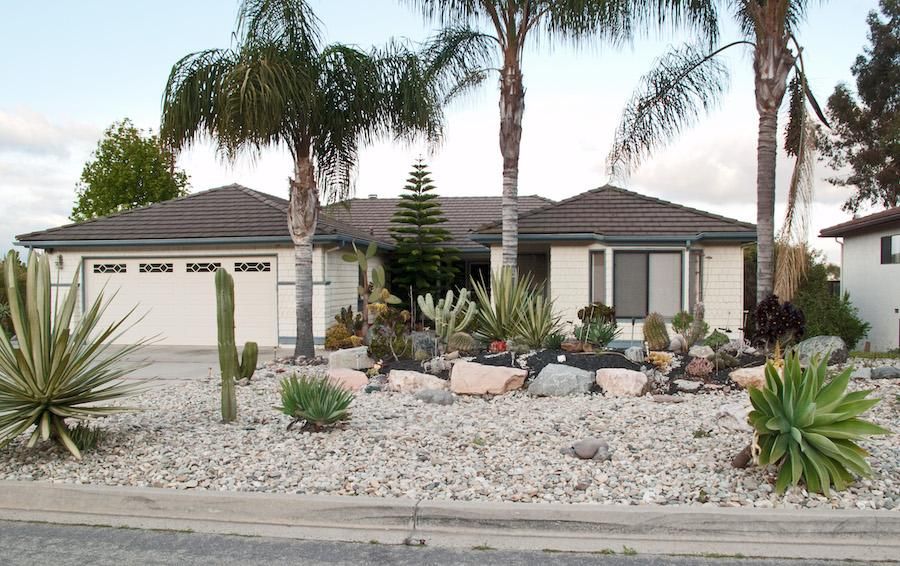
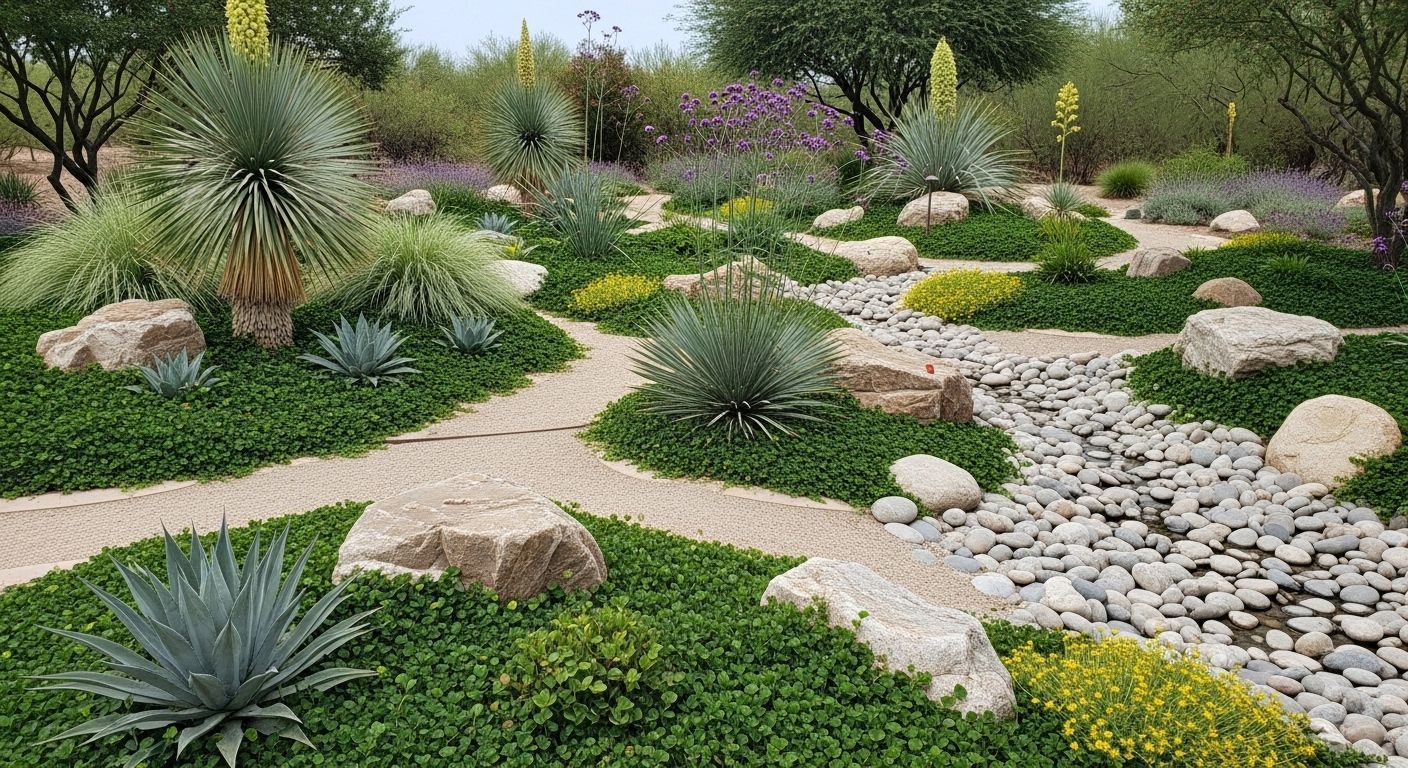
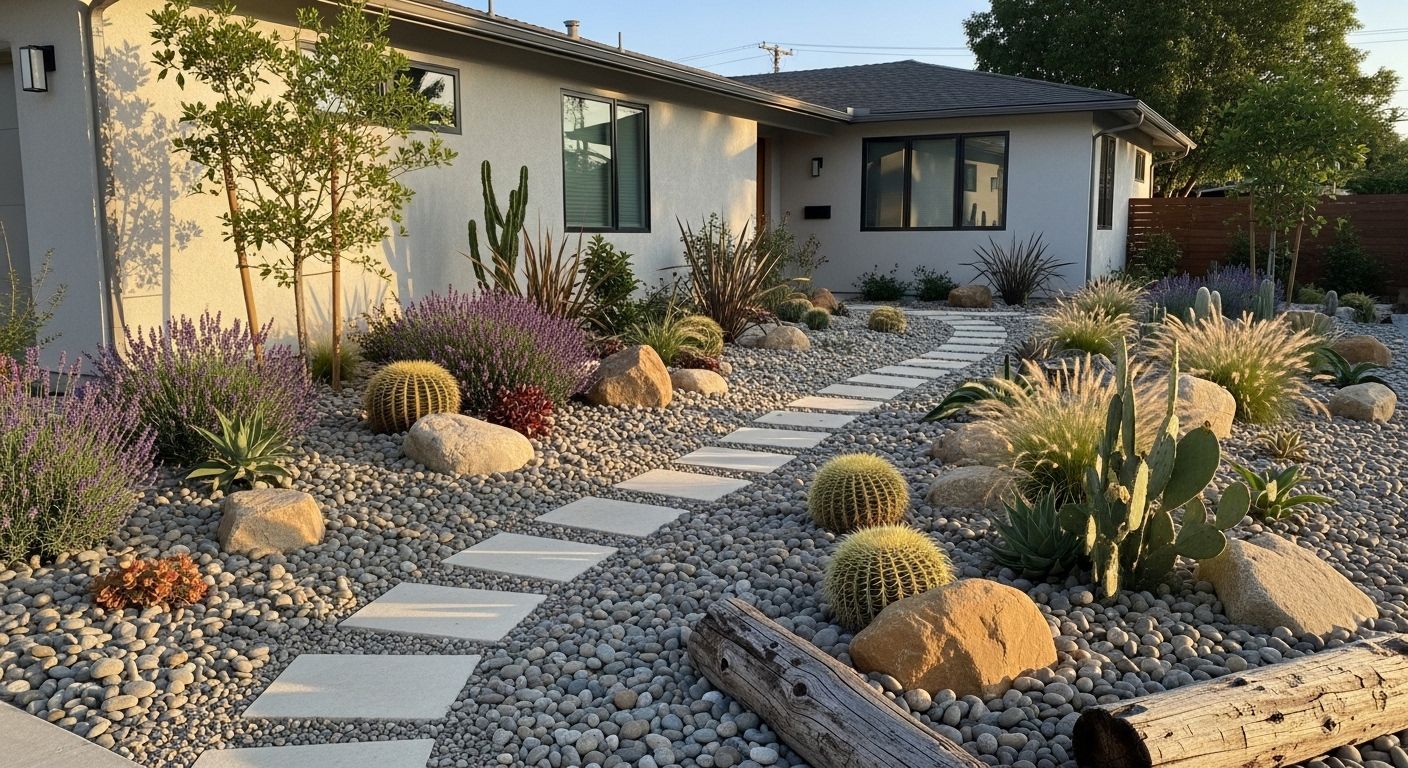
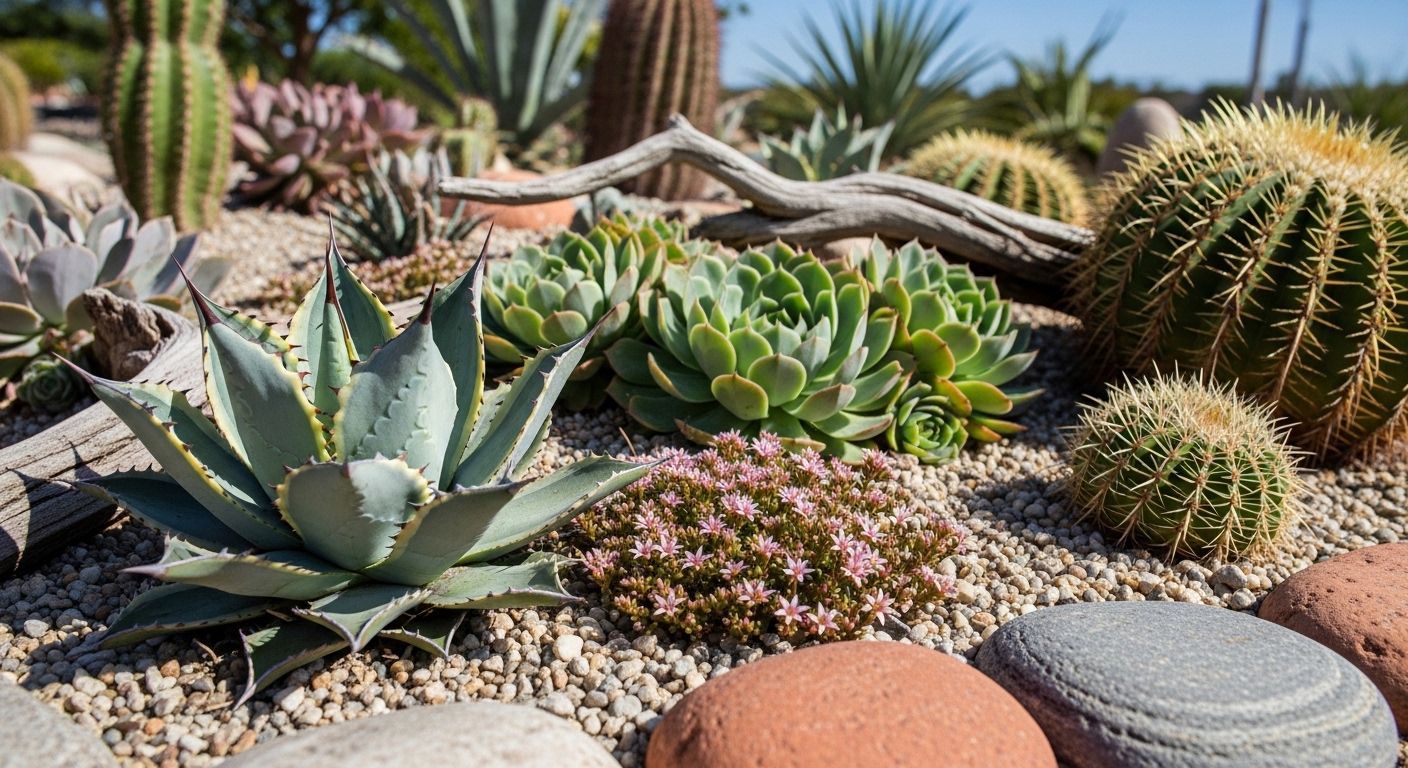
The word xeric comes from the Greek term for dry, and in landscaping it simply refers to designs built around plants adapted to survive on minimal water. A xeric garden is not a barren stretch of gravel and cactus. Done well, it is a thriving, layered landscape filled with California native plants that have spent thousands of years adapting to exactly the conditions found in our region, long dry summers, unpredictable rainfall, and intense sun. At Los Angeles Xeriscape, xeric garden and native plant installations are where our ecological knowledge and design sensibility come together most fully.
The Native Plant Palette of Los Angeles

Get a Free Quote
Contact Us
Xeriscape Los Angeles
Satisfied Clients


Supporting Local Pollinators
Native plant gardens do more than conserve water. They provide essential habitat for the bees, butterflies, and hummingbirds that depend on native flowering species for nectar and shelter. Non native ornamental plants frequently offer little to no ecological value to local wildlife, while native species have coevolved with regional pollinators over thousands of years. Research from the Xerces Society and multiple university extension programs has found that native plantings can reduce the need for fertilizer and pesticide use by up to 60 percent once established, since these species already have natural relationships with local soil organisms and beneficial insects that keep them healthy without chemical intervention.
Built to Handle Our Climate, Not Fight It
California native plants are uniquely suited to the wet winter, dry summer rhythm of our Mediterranean climate, a pattern most non native ornamentals were never designed to handle. Once established, many native shrubs, grasses, and perennials require little to no supplemental watering, relying instead on deep root systems built to access moisture during our dry months. According to the U.S. Environmental Protection Agency's WaterSense program, landscapes designed with region appropriate, water efficient plants can reduce outdoor water use by 20 to 50 percent compared to conventional turf heavy yards, a reduction that becomes even more pronounced in a dedicated native xeric garden.
Minimal Fertilizer, Minimal Intervention
One of the most appealing aspects of a well designed native xeric garden is how little it asks of you once established. These plants generally do not need regular fertilizing, and many actually perform worse when overfed, since they are adapted to lean, well drained native soils rather than rich amended beds. Our team helps clients understand what perennials should not be fertilized heavily, so newly installed native gardens are set up to thrive with minimal ongoing input.
Xeriscaping Near Me?
A Landscape Rooted in Place
A xeric garden built from Los Angeles native plants is more than a water saving strategy. It is a landscape that genuinely belongs here, supporting the pollinators, soil life, and seasonal rhythms unique to our region. Reach out to Los Angeles Xeriscape today to schedule a consultation, and let us help you build a native xeric garden suited specifically to your property.